
Health Benefits of Curcumin
Introduction:-
The spice known as turmeric may be the most effective nutritional supplement in existence.
Many high-quality studies show that turmeric has major benefits for your body and brain. Many of these benefits come from its main active ingredient, curcumin.
Read on to learn what the science says about turmeric and curcumin as well as their benefits.
What are curcumin?
Turmeric is the spice that gives curry its yellow color.
It has been used in India for thousands of years as both a spice and medicinal herb. Recently, science has started to back up traditional claims that turmeric contains compounds with medicinal properties.
These compounds are called curcuminoids. The most important one is curcumin.
Curcumin is the main active ingredient in turmeric. It has powerful anti-inflammatory effects and is a very strong antioxidant. Here are the top 10 evidence-based health benefits of turmeric and curcumin.
Curcumin is a natural anti-inflammatory compound:-
Inflammation is incredibly important. It helps fight foreign invaders and has a role in repairing damage in your body.
Although acute, short-term inflammation is beneficial, it can be a concern if it becomes chronic and attacks your body’s own tissues.
Scientists now believe that chronic low-level inflammation can play a role in some health conditions and diseases. These include:
-
heart disease
-
cancer
-
metabolic syndrome
-
Alzheimer’s disease
-
various degenerative conditions
That’s why anything that can help fight chronic inflammation is potentially important in preventing and helping treat these conditions.
While the topic of inflammation is multilayered and there’s likely no simple answer, the key takeaway regarding curcumin is that it is a bioactive substance that can fight inflammation. However, very high doses are required to produce medicinal results
Curcumin may lower your risk of heart disease:-
Heart disease is the number one cause of death in the world. Researchers have studied it for many decades and learned a lot about why it happens. Unsurprisingly, heart disease is incredibly complicated and various things contribute to it.
Curcumin may help reverse many steps in the heart disease process.
Perhaps the main benefit of curcumin when it comes to heart disease is improving the function of the endothelium, the lining of your blood vessels.
The endothelial dysfunction is a major driver of heart disease. This is when your endothelium is unable to regulate blood pressure, blood clotting, and various other factors.
Several studies suggest that curcumin can lead to improvements in heart health. Additionally, one study found that it’s as effective as exercise in post-menopausal women.
In addition, curcumin can help reduce inflammation and oxidation (as discussed above), which can play a role in heart disease.
In one study of 121 people undergoing coronary artery bypass surgery, researchers assigned them either a placebo or 4 grams of curcumin per day a few days before and after the surgery. The curcumin group had a 65% decreased risk of experiencing a heart attack in the hospital
Curcumin may help prevent cancer:-
Cancer is a disease, characterized by uncontrolled cell growth. There are many different forms of cancer that appear to be affected by curcumin supplements.
Curcumin has been studied as a beneficial herb in cancer treatment and been found to affect cancer growth and development.
Studies have shown that it can:
-
contribute to the death of cancerous cells
-
reduce angiogenesis (growth of new blood vessels in tumors)
-
reduce metastasis (spread of cancer)
Whether high-dose curcumin – preferably with an absorption enhancer like piperine – can help treat cancer in humans has yet to be studied properly.
However, there is evidence that it may prevent cancer from occurring in the first place, especially cancers of the digestive system like colorectal cancer.
In a 30-day study in 44 men with lesions in the colon that sometimes turn cancerous, 4 grams of curcumin per day reduced the number of lesions by 40%.
Curcumin may help delay aging:-
If curcumin can really help prevent heart disease, cancer, and Alzheimer’s, it may have benefits for longevity as well.
This suggests that curcumin may have potential as an anti-aging supplement.
Given that oxidation and inflammation are believed to play a role in aging, curcumin may have effects that go way beyond just preventing disease.
Health Benefits of Curcumin:-

1. Natural Anti-inflammatory
Chronic inflammation is linked to numerous health conditions, including heart disease, cancer, Alzheimer’s disease, and more. Curcumin’s powerful anti-inflammatory properties can help combat this chronic inflammation and reduce the risk of these serious diseases.
2. Antioxidant Protection
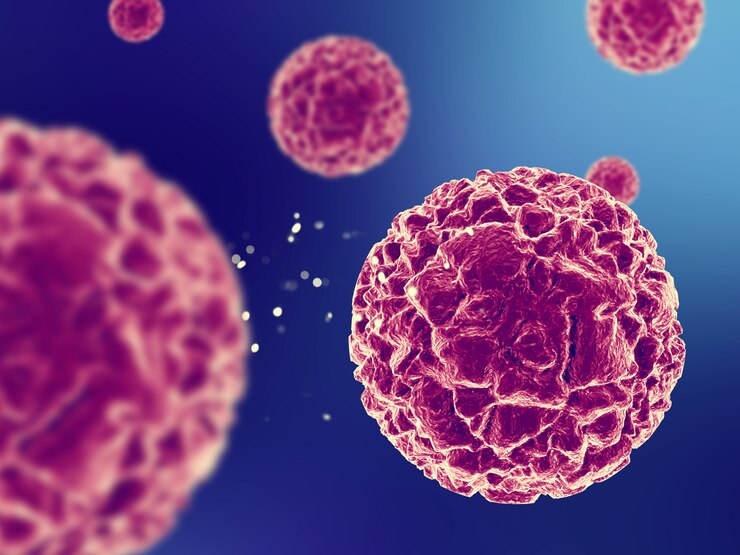
Free radicals, which are highly reactive molecules, can cause oxidative stress and damage to cells, contributing to aging and diseases.
3. Cardiovascular Health
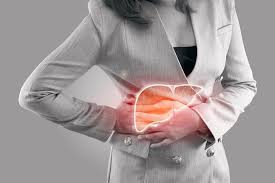
By improving the function of the endothelium (the lining of blood vessels), curcumin helps regulate blood pressure, clotting, and overall cardiovascular health.

5. Brain Function and Alzheimer’s Disease
Curcumin can cross the blood-brain barrier and has been shown to have potential benefits for brain health. It may help reduce the risk of Alzheimer’s disease by clearing amyloid plaques, which are associated with this condition.

4. Cancer Prevention
Curcumin has shown promise in both preventing and possibly treating certain types of cancer. It works by inducing the death of cancer cells, inhibiting the growth of blood vessels (angiogenesis) that feed tumors, and preventing metastasis (the spread of cancer).
Manufacturing process for curcumin:-
1.Harvesting
Turmeric is typically grown in tropical and subtropical regions. After the turmeric plants mature, the roots (also known as rhizomes) are harvested. The roots are carefully selected for quality, as the curcumin concentration can vary depending on the variety and growing conditions..
2. Purification
After extraction, the curcumin extract often contains impurities, including other compounds from the turmeric root. To obtain pure curcumin, additional steps are taken to purify the extract, including filtration and chromatography.
3. Formulation into Products
The purified curcumin extract may be dried into a fine powder. This powder can be used as an ingredient in various products, such as dietary supplements or functional foods.
4. Grinding
After drying, the turmeric rhizomes are ground into a fine powder. This powder contains the curcumin along with other compounds, such as turmerones, which give turmeric its aroma and flavor.
5. Quality Control and Testing
During and after the extraction process, quality control is essential. The curcumin extract is tested for its purity and potency to ensure it meets the required standards.
6. Packaging